Department Profile

Department of Pharmacognosy

Where traditional herbal knowledge meets modern pharmaceutical science — the study of medicinal plants, natural products, and bioactive compounds.

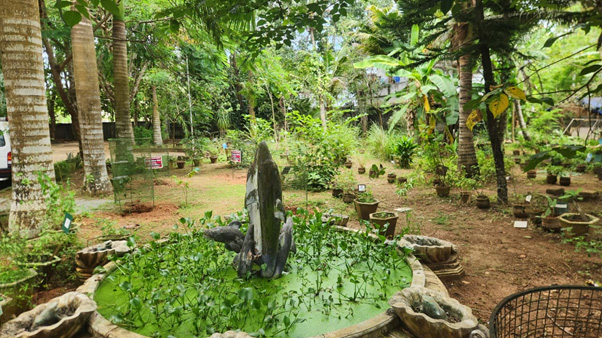
Medicinal plant garden, Maria College of Pharmacy Maria College of Pharmacy

Department of Pharmacognosy

Pharmacognosy remains as a promising and ever blooming modern herbal science with its multiple disciplines including ethnobiology, ethnomedicine, phytochemistry and phytomedicine. We provide extensive theoretical as well as practical knowledge in extraction and isolation of crude drugs in the field of phytopharmaceuticals, and standardization of herbal formulations.

Medicinal Plant Garden

Maria College of Pharmacy has a well-maintained Medicinal Plant Garden. It dwells different varieties of medicinal and aromatic plants docketed with their biological nomenclature. It has been established keeping in view of the importance of medicinal and aromatic plants in health care system, as well as for making the students familiarize with the herbal plants.

Medicinal Plant Garden helps the students in the aspects of identification and understanding about the morphological characters of medicinal plants. Also, they get familiarity about their therapeutic uses, including their source, botanical names, cultivation and collection techniques and their chemical constituents etc. This also serves as a source for plant material for conducting the practicals of Pharmacy students.

The Branches of Pharmacognosy Includes

1. Biological and Botanical Branches

  • Pharmacobotany: The study of the morphological, anatomical, and physiological properties of medicinal plants.
  • Medical Ethnobotany: The study of how different cultures and indigenous traditions use plants for medicinal purposes.
  • Taxonomy: The classification, identification, and naming of medicinal plants and animals based on their relationships.
  • Pharmacozoology: The study of medicines, glandular extracts, and other therapeutic agents derived from animals.

2. Chemical and Analytical Branches

  • Phytochemistry: The study of chemicals and active principles (like alkaloids, flavonoids, tannins, saponins and glycosides) derived from plants, which often serve as drug candidates.
  • Plant Biotechnology: Involves the use of plant tissue cultures, genetic engineering, and biotransformation to produce and multiply important secondary metabolites.
  • Chemomatics & Bioinformatics: The application of mathematical and computational methods to analyze and categorize phytochemical data.

3. Pharmacological and Clinical Branches

  • Ethnopharmacology: The scientific study of the pharmacological activities and medicinal qualities of traditional or indigenous remedies.
  • Zoopharmacognosy: The study of how animals naturally select and self-medicate using plants, soils, and insects to prevent or treat diseases.

4. Commercial and Processing Branches

  • Pharmacoemporia: The branch responsible for the study of trade, commerce, and the distribution routes of medicinal plants.
  • Pharmacodiascoria: The study of the proper collection, drying, packaging, and storage techniques required for vegetable drugs.
About the Department

Nature's pharmacy, studied scientifically

The Department of Pharmacognosy at Maria College of Pharmacy focuses on the study of medicinal plants, natural products, herbal drugs, and bioactive compounds derived from natural sources. The department provides students with extensive theoretical knowledge and practical exposure in the identification, extraction, isolation, standardization, and evaluation of crude drugs and phytopharmaceuticals.

The department bridges traditional herbal knowledge with modern pharmaceutical science, enabling students to understand the therapeutic importance of medicinal plants and natural remedies in healthcare systems. Through research-oriented learning and practical training, students gain expertise in herbal drug development, phytochemistry, pharmacobotany, and natural product research.

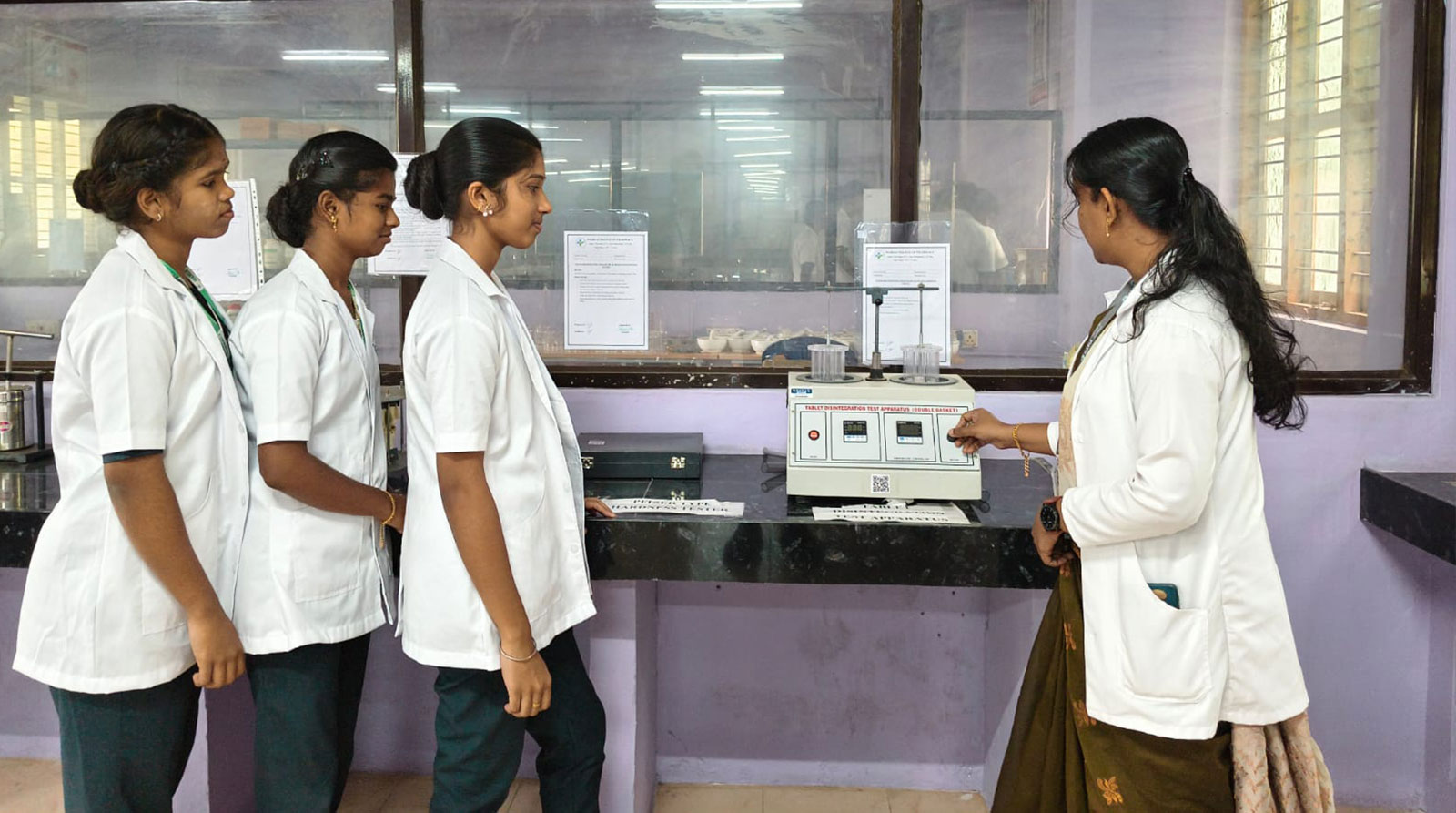
Equipped with modern laboratories, herbal research facilities, and a well-maintained medicinal plant garden, the department trains students in medicinal plant identification, herbal drug standardization, phytochemical analysis, pharmacobotany, ethnopharmacology, plant biotechnology, herbal formulation development, and natural product research.

Focus Areas

From plant to phytopharmaceutical

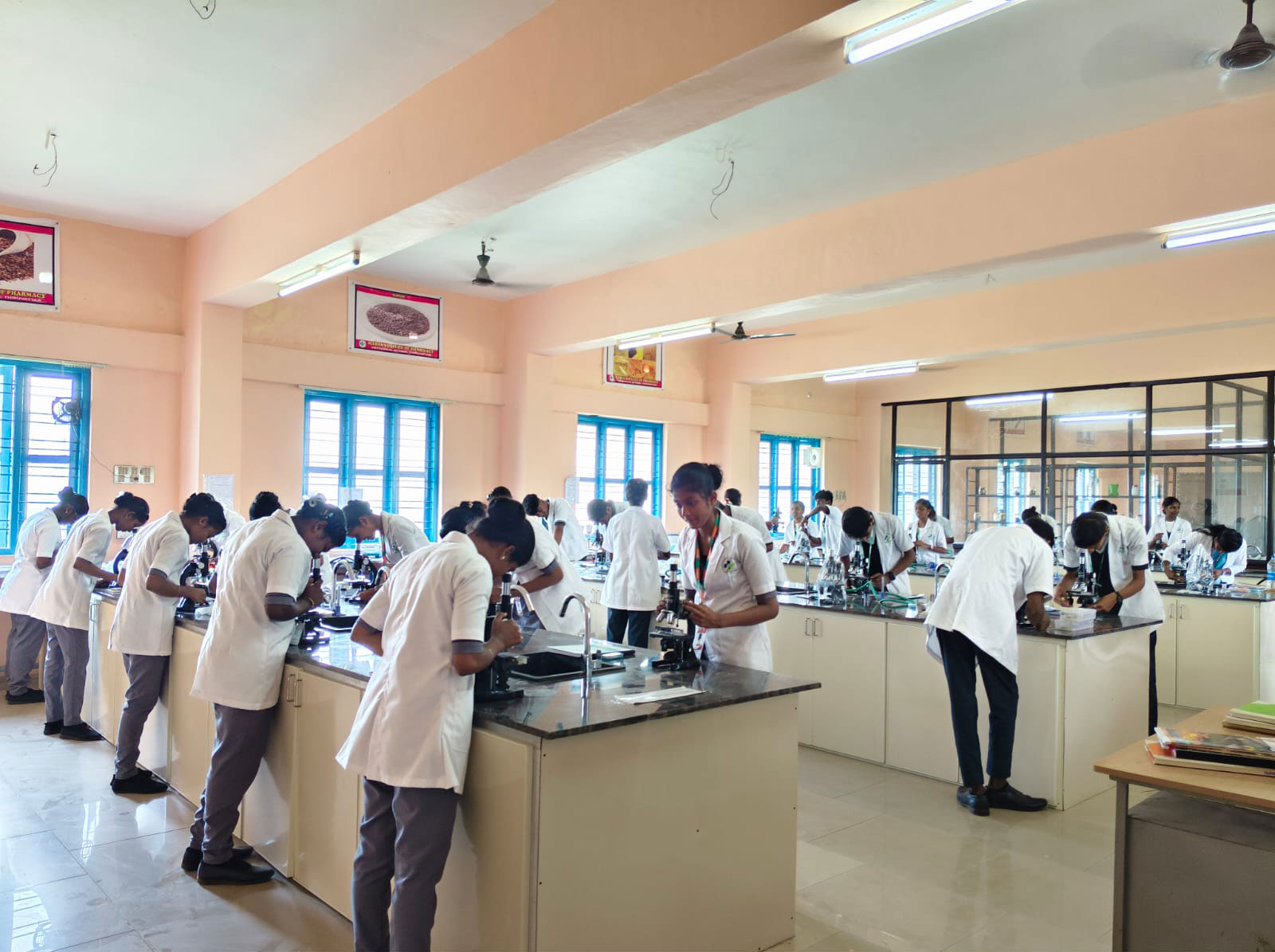
Pharmacobotany training and plant identification

Pharmacobotany

The morphological, anatomical, and physiological study of medicinal plants, identifying them by botanical characteristics and therapeutic significance.

  • Plant Identification Techniques
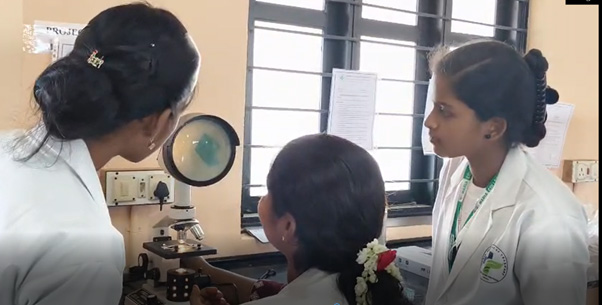
  • Microscopic Evaluation
  • Morphological Studies
  • Anatomical Studies
  • Plant Taxonomy
  • Herbal Drug Authentication
  • Medicinal Plant Classification
Phytochemistry laboratory research

Phytochemistry

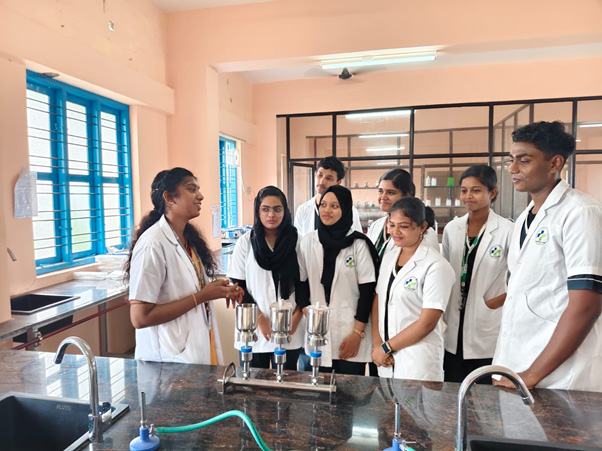
The study of chemical constituents present in medicinal plants and natural products, from extraction through bioactive analysis.

  • Extraction Techniques
  • Isolation of Phytoconstituents
  • Alkaloid Analysis
  • Glycoside Identification
  • Flavonoid Studies
  • Herbal Standardization
  • Bioactive Compound Analysis
  • Phytochemical Screening
Ethnopharmacology and traditional herbal research

Ethnopharmacology & Herbal Research

Studying traditional medicinal systems and scientifically evaluating their therapeutic applications.

  • Traditional Herbal Medicine
  • Indigenous Medicinal Practices
  • Herbal Drug Evaluation
  • Ethnomedicine
  • Natural Therapeutics
  • Herbal Formulation Research
  • Medicinal Plant Applications
Medicinal Plant Garden at Maria College of Pharmacy

Medicinal Plant Garden

A well-developed on-campus garden of medicinal and aromatic plants, labeled with botanical and common names, for hands-on herbal study.

  • Medicinal Plant Identification
  • Morphological Characteristics
  • Therapeutic Uses of Herbs
  • Cultivation Techniques
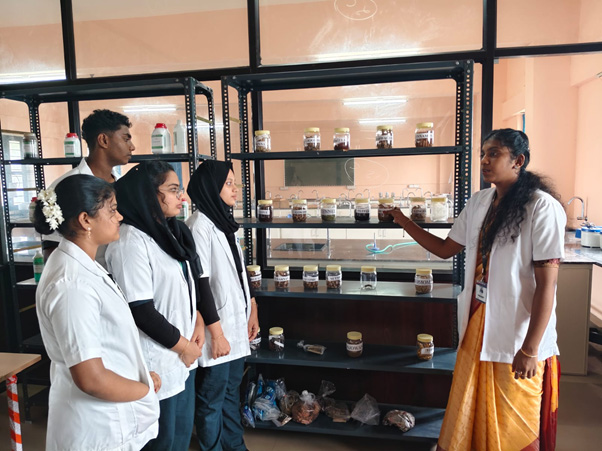
  • Collection & Preservation Methods
  • Practical Herbal Study Exposure
Plant biotechnology laboratory

Plant Biotechnology

Modern techniques used in the production and improvement of medicinal plants and secondary metabolites.

  • Plant Tissue Culture
  • Genetic Engineering Applications
  • Secondary Metabolite Production
  • Herbal Biotechnology
  • Plant Propagation Techniques
  • Biotransformation Methods
Research Activities

Advancing natural healthcare systems

The department actively encourages research and innovation in natural product chemistry, herbal drug development, and phytopharmaceutical sciences. Students and faculty members participate in scientific projects, seminars, workshops, conferences, and herbal research programmes.

Herbal Drug Standardization Medicinal Plant Research Natural Product Chemistry Phytochemical Investigations Herbal Formulation Development Ethnopharmacological Studies Plant Biotechnology Research Traditional Medicine Research
What Guides Us

Core Values

Scientific Exploration
Herbal Research & Innovation
Academic Excellence
Ethical Pharmaceutical Practice
Environmental Responsibility
Student-Centered Learning
Professional Integrity
Quality Herbal Education
Healthcare Commitment
Lifelong Learning
Looking Ahead

Goals of the Department

  1. Provide comprehensive knowledge in pharmacognosy and herbal sciences.

  2. Promote scientific research in medicinal plants and natural therapeutics.

  3. Develop practical skills in herbal drug analysis and standardization.

  4. Encourage innovation in herbal formulation development.

  5. Integrate traditional medicinal knowledge with modern pharmaceutical science.

  6. Strengthen research and analytical capabilities among students.

  7. Prepare students for careers in herbal industries, pharmaceutical companies, and research organizations.

  8. Contribute towards healthcare advancement through natural medicine research.

back top